
The Role of Urgent Care and Allergic Reactions

Can you go to urgent care for an allergic reaction

The next time your seasonal allergies flare up, or you have a reaction to something you ate, you may not immediately think, “I’ll go to my local urgent care.”

That’s because most people don’t realize that an urgent care, like Heavens Urgent Care, have trained medical practitioners who are ready and willing to help you with a diagnosis and treatment plan.

While an emergency room can address allergic reactions that are not life-threatening, many times urgent care is the best option for less wait time and lower costs.

Food Allergens

What causes allergic reactions?

There are many things that can cause allergic reactions. The most common are foods, lotions, medications, insect stings, and mold.

Whatever the cause may be, allergic reactions should never go ignored, no matter what the level of severity is. Instead, call or visit an urgent care center right away if you suspect an allergic reaction.

As a side note, it’s interesting to know that up to 90% of food allergies1 are caused by these eight foods:

  1. Eggs
  2. Cow’s milk
  3. Shellfish
  4. Fish
  5. Peanuts
  6. Wheat
  7. Tree nuts
  8. Soy

When to Visit Your Urgent Care

Allergic reactions can be frightening, which is why it’s important to immediately get to an urgent care center so that a doctor can examine and evaluate you.

Not sure if an allergic reaction is serious enough to warrant a visit to your urgent care?

The following is a list of signs that indicate a need to be seen:

  • Apparent rash
  • Itchy or swollen skin
  • Irritation in the eyes, throat, nose, or ears
  • Nasal congestion or sinus troubles
  • Shortness of breath
  • Fatigue or feelings of an anxiety attack

When these symptoms are present, don’t hesitate to get to an urgent care right away so that a medical provider can determine the root cause and start treatment.

Urgent care centers can determine what is causing the allergic reaction and come up with a realistic plan of treatment to reduce any swelling, pain, or redness. Most allergic reactions can be treated with a simple medication, but it is always best to consult with a physician.

Allergy Medication

Treating Allergies

Clearly, avoiding a known allergen is the best way to stop an allergic reaction, but when that isn’t possible, your medical provider may use the following medications:
  • Decongestants
  • Antihistamines
  • Nasal corticosteroids
  • Oral corticosteroids
  • Corticosteroid creams
  • Mast cell stabilizers2 like a disodium cromoglycate
  • Immunotherapy
  • Epinephrine for life-threating reactions

Are you experiencing an allergic reaction?

If you think that you are experiencing an allergic reaction, we can help. An urgent care office is a great place to be seen quickly and affordably. If you live in Arizona, we can see you via a virtual visit, so don’t wait to find relief from your allergies. Contact us here!

If you found this article helpful, subscribe to the HEAVENS URGENT CARE blog below for more just like it.

We will never sell or share your information. Unsubscribe at any time.

Get Care Now!

Virtual urgent care on a smartphone

You can complete an urgent care virtual visit in as fast as five to 15 minutes without leaving your home.

Read More From Heavens Urgent Care

Young woman with swim cap and holding her ears

Pools and Earaches… Is it Swimmer’s Ear or a Middle Ear Infection

Summer in Arizona means sunshine, pool time, and lots of family fun, but we also see a spike in ear infections at Heavens Urgent Care. Whether your child ...
Read the full post →
Asian father comforting his son. Son sitting on bike path holding his knee.

The 5 Most Common Summer Injuries We See in Urgent Care (and How to Avoid Them)

We love our summertime adventures in Arizona, but without proper care that outdoor fun comes with some common injuries, especially among kids and teens. This is ...
Read the full post →
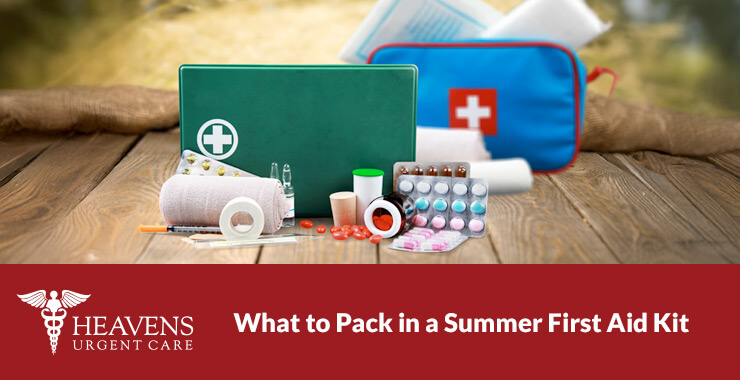
Summer first aid kit contents displayed on a wooden floor

What to Pack in a Summer First Aid Kit

Arizona summers are full of sunshine, swimming, family road trips, and outdoor adventures. But let’s be real: scraped knees, bug bites, and the occasional allergic ...
Read the full post →
4 column graphic. Each column has an image of a tree from a different season.

Can changing seasons make you sick?

Have you ever noticed that you or your family members tend to get sick when the seasons change? You’re not imagining it. Seasonal transitions can ...
Read the full post →

The information provided in this blog post is for educational and informational purposes only and is not intended as medical advice. It is not a substitute for professional medical diagnosis, treatment, or care. Always seek the advice of your physician or other qualified healthcare provider with any questions you may have regarding a medical condition or treatment. Do not disregard professional medical advice or delay in seeking it because of something you have read here. The author and publisher disclaim any liability for any adverse effects or consequences resulting from the use of any suggestions, procedures, or treatments discussed in this blog.

Scroll to Top

Ask the Doc

What topic would you like to learn more about?

Please do not include any sensitive personal or medical information (such as details about medical conditions, diagnoses, treatments, or protected health information) on this form. If you have specific medical questions or need to share confidential health information, please contact us directly through secure and appropriate channels.