

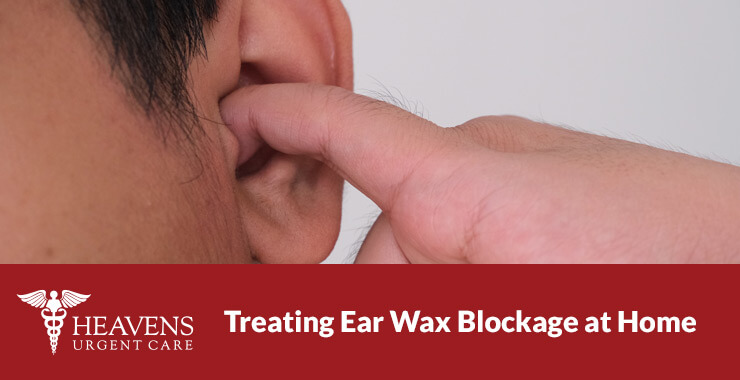
Ear wax, or cerumen, is a natural substance produced by the body to protect the ear canal from debris, bacteria, and moisture.
While ear wax usually exits the ear canal on its own, sometimes it can build up and cause a blockage that leads to discomfort, hearing loss, or a feeling of fullness in the ears.
How Ear Wax Blockage Occurs
Ear wax is typically produced in small amounts and gradually moves out of the ear canal. You may be one of those people who continues to experience excessive ear wax buildup and blockage. There are several factors that can contribute to the problem:
- Excessive Production: Some people naturally produce more ear wax, which can accumulate and harden.
- Ear Canal Shape: Unusually shaped or narrow ear canals can trap ear wax.
- Use of Cotton Swabs: Inserting objects like cotton swabs into the ear can push wax further in rather than removing it, so don’t do it!
- Hearing Aids or Earplugs: Regular use of these devices can trap wax and lead to buildup.
- Infections or Skin Conditions: Conditions such as eczema can increase wax production or cause it to become impacted.
Interesting facts: Earwax is naturally microbial and prevents the start of bacterial infections. It’s also a natural bug repellent that keeps bugs from wanting to go into the ear canal.
Simple Home Treatments for Ear Wax Removal
If you’re dealing with a mild ear wax blockage, there are several safe and effective methods you can try at home:
Over-the-Counter Ear Drops
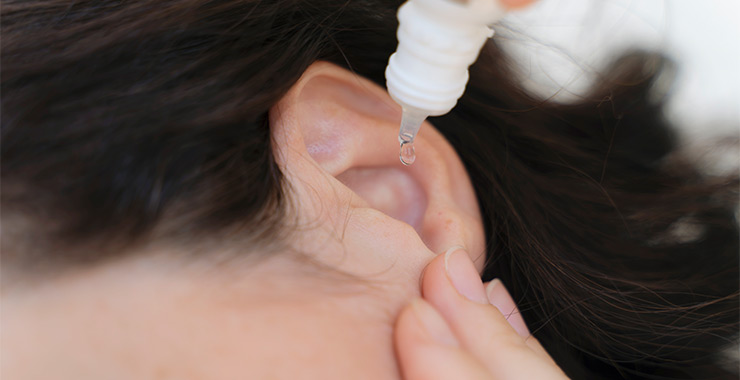
Ear drops designed to soften ear wax can help it break down and naturally work its way out of the ear canal. Look for products that contain hydrogen peroxide or carbamide peroxide. Follow the instructions on the packaging carefully.
How to Use:
- Tilt your head to the side.
- Place the recommended number of drops into the affected ear.
- Keep your head tilted for a few minutes to allow the drops to penetrate.
- Tilt your head in the opposite direction to let the wax and drops drain out.
- Gently clean the outer ear with a soft cloth.
Warm Water Flush
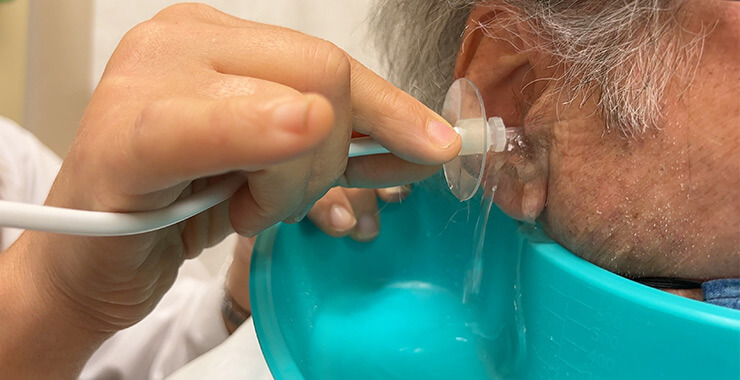
A gentle warm water flush can help to soften and wash out ear wax.
How to Use:
- Fill a bulb syringe with warm (not hot) water.
- Tilt your head over a sink and gently squeeze the syringe to let the water flow into the ear canal.
- Allow the water to sit for a few moments, then tilt your head to let the water and wax drain out.
- Dry the outer ear with a soft towel.

Olive Oil or Almond Oil
Natural oils can help soften ear wax, making it easier to expel.
How to Use:
- Warm a small amount of olive oil or almond oil to body temperature (test it on your wrist to ensure it’s not too hot).
- Tilt your head to one side and place a few drops of oil into the ear canal.
- Keep your head tilted for 5-10 minutes.
- Tilt your head to allow the oil and softened wax to drain out.
- Wipe the outer ear with a soft cloth.
HELPFUL TIP: Many local pharmacists can prepare WAXSOL, a 3% peroxide or a sodium bicarbonate solution that can completely break down ear wax for easier water irrigation.

When to See a Medical Provider
While home treatments can be effective, there are times where you should seek professional medical help. Don’t wait if you experience:
- Persistent Symptoms: If symptoms such as ear pain, hearing loss, or a feeling of fullness persist despite home treatment.
- Severe Discomfort: If you experience severe pain, dizziness, or a sudden decrease in hearing.
- Suspected Infection: If you notice symptoms of infection, such as fever, drainage of pus, or redness around the ear.
- Injury or Sensitivity: If you have a history of ear drum injury or if you experience increased sensitivity or pain when attempting to remove ear wax.
- Complications with Hearing Aids: If you use hearing aids and suspect wax buildup is affecting their function.
Ear wax blockage is a common issue, but with the right approach, you can manage it safely at home. Use over-the-counter ear drops, warm water flushes, or natural oils to help soften and remove the wax. Always approach ear care gently and avoid inserting objects into the ear canal. If you encounter persistent or severe symptoms, or if you have concerns about your ear health, don’t hesitate to consult a medical professional for personalized advice and treatment.
Remember, your ears are sensitive and vital to your overall well-being, so taking proper care and seeking professional help when needed is the best way to maintain optimal ear health.
If you have any questions or need further guidance, feel free to reach out Heavens Urgent Care. Your well-being is our priority!