

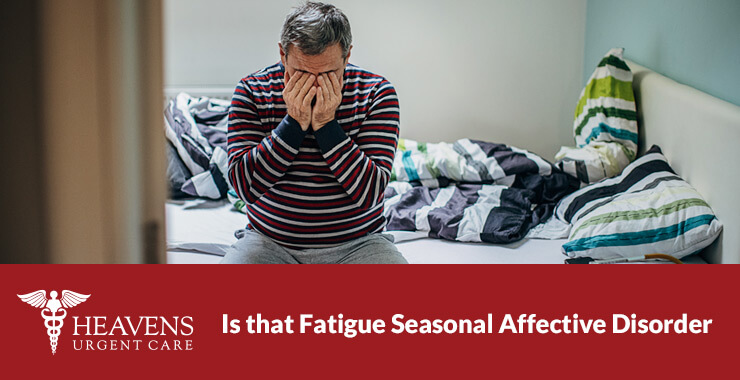
So here we are… when the winter months deliver up shorter days and less sunlight. Winter depression, or Seasonal Affective Disorder (SAD), is a type of depression that happens to about 5% of adults in the United States, with symptoms often escalating in the fall and winter months.
SAD tends to start during the teen years or in adulthood. Like other types of depression, it occurs more often in women than in men.
There is some research that points to shorter days and less daylight results in a chemical change in the brain that leads to symptoms of depression.
Symptoms of SAD can vary, but common signs include:
- Persistent sadness
- Loss of interest or pleasure in activities
- Irritability
- Fatigue or low energy
- Changes in sleep patterns (either sleeping too much or too little)
- Changes in appetite or weight
- Difficulty concentrating
- Feelings of worthlessness or guilt
- Social withdrawal

How to Beat Seasonal Affective Disorder
If you struggle with the winter blues, there are several strategies to help you manage Seasonal Affective Disorder.
- Even though we live in a state that has about 300 days a year of sunshine, shorter days mean less light, so if you have SAD, try bright light therapy. This involves sitting near a light therapy box that emits bright light, mimicking natural sunlight. Studies have shown that bright light therapy can help relieve symptoms of SAD in as little as a few days.
- In addition to bright light therapy, getting outside and exposing yourself to natural sunlight can be beneficial. Even on overcast days, natural light can help boost your mood and improve symptoms of SAD.
- Make sure that you are working regular exercise into your routine, maintaining a healthy diet, and practicing stress-reducing techniques such as meditation or yoga can also help alleviate symptoms.
- For some individuals, seeking professional help from a therapist or psychiatrist may be necessary to manage symptoms of SAD. Cognitive-behavioral therapy is often successful in treating SAD by helping individuals identify and challenge negative thought patterns and behaviors that contribute to their depression. Additionally, medication such as antidepressants may be prescribed in more severe cases.

How Is SAD Diagnosed
To be diagnosed with SAD, a person must meet the following criteria:
- They have the symptoms of depression
- Their depressive episodes occur during specific seasons (winter or summer) for at least 2 consecutive years. However, not all people with SAD experience symptoms every year.
- Their depressive episodes during the specific season are more frequent than depressive episodes experienced at other times of the year.
If you are concerned that you, or a loved one, is experiencing symptoms of SAD that are impacting daily life and functioning, seek help from a healthcare provider. Left untreated, SAD can lead to serious complications and have a significant impact on mental health and overall well-being. http://stage.heavensurgentcare.com/
By implementing coping strategies such as light therapy, exercise, and seeking professional help when needed, you can effectively manage symptoms of SAD and improve your quality of life. Remember, you are not alone in your struggles with SAD, and there are resources and treatments available to help you overcome this disorder.