
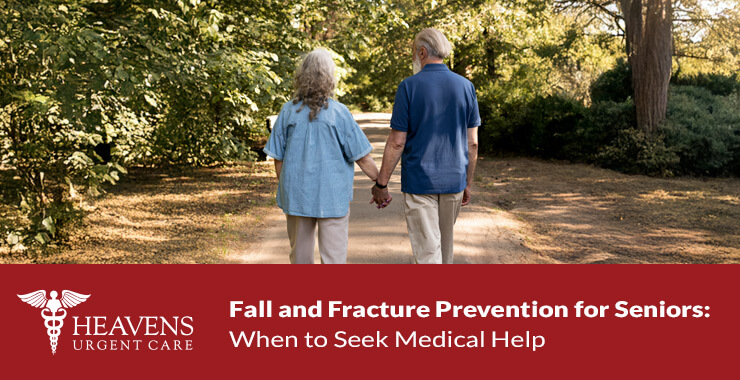
Falls are one of the leading causes of injury among older adults, often resulting in fractures, hospitalizations, and long-term mobility issues. About 36 million falls are reported among older adults each year.
In Arizona, where many seniors enjoy an active lifestyle, fall prevention is especially important to maintain independence and overall well-being. We are dedicated to helping our senior patients stay safe and healthy. Here’s what you need to know about preventing falls and fractures, as well as when to seek medical attention.
Why are seniors at higher risk for falls and fractures?
Many older adults fear falling, even if they haven’t fallen before. This fear can lead to avoiding activities like walking, shopping, or taking part in social activities. To learn more visit the Still Going Strong site to learn how you can age without injury.
Risk factors for falls include a history of falls, impairment in balance, reduced muscle strength, visual problems, polypharmacy (defined as taking over four medications) or psychoactive drugs, gait difficulty, depression, orthostasis or dizziness, functional limits, age over 80 years, female sex, incontinence, cognitive difficulties, arthritis, diabetes, and pain.
Falls are a threat to the health of older adults and can reduce their ability to remain independent. However, falls are not inevitable.
Falls often lead to serious fractures, particularly in the hip, wrist, and spine, which can take months to heal and significantly impact independence.

How to Prevent Falls and Fractures
1. Keep Your Home Safe
- Remove tripping hazards like throw rugs and clutter.
- Install grab bars in the bathroom and handrails on stairs.
- Ensure good lighting, especially in hallways and staircases.
- Use non-slip mats in the kitchen and bathroom.
2. Improve Strength and Balance
- Engage in low-impact exercises like Tai Chi, yoga, or water aerobics.
- Perform balance exercises such as standing on one foot (with support nearby).
- Stay active with daily walks to maintain leg strength.
3. Get Regular Vision and Hearing Checks
- Update your eyeglass prescription as needed.
- Address hearing loss, as it affects balance.

4. Review Medications with Your Doctor
- Ask if any prescriptions cause dizziness or drowsiness.
- Discuss safer alternatives if necessary.
5. Maintain Strong Bones
- Get enough calcium (1,200 mg daily for women over 50 and men over 70).
- Take vitamin D (800–1,000 IU daily) to support bone health.
- Engage in weight-bearing exercises like walking or resistance training.
If you or a loved one experiences a fall, it’s important to assess for injuries. Seek immediate medical attention if:
- There is severe pain or inability to move a limb.
- A bump or swelling develops, especially in the hip, wrist, or head.
- There is dizziness, confusion, or loss of consciousness.
- A cut is deep and won’t stop bleeding.
- The fall was caused by a possible stroke or sudden weakness.
Even if there are no visible injuries, seniors should always be evaluated after a fall.
Hidden fractures or concussions may not show immediate symptoms. At Heavens Urgent Care, we offer on-site X-rays and thorough evaluations to ensure your safety and well-being.